
Headlines.
Craft.
Clarity.
What separates a headline that earns a click from one that begs for it? This blog explores that question through thousands of real examples, platform-specific rules, and practical techniques you can use today.

Same article. Two headlines. Dramatically different results.

That question kept coming up after years of writing titles for content across multiple industries. The same 1,200 words, published twice with different headlines, would see wildly different traffic curves. The difference was never the content. It was always the door into it.
This blog documents what actually influences those outcomes. Not clickbait formulas. Not viral tricks. The structural, psychological, and platform-specific factors that shape whether a title gets read or ignored.
No courses. No affiliate links. No newsletter upsell waiting at the bottom. Just observations from someone who has written, tested, and revised a lot of headlines and kept notes on what happened.
Read the First PostEach of these topics connects. Understanding character limits changes how you think about structure. Understanding psychology changes how you think about A/B testing. The blog treats headline writing as a whole craft, not a checklist.
A headline that ranks in Google often falls flat on Facebook, and vice versa. The blog explores why these platforms reward completely different things and how to write for each without rewriting from scratch.
Explore this topicGoogle truncates. Facebook truncates differently. Twitter has limits that feel arbitrary until you understand the feed algorithm. This covers the actual numbers, why they exist, and when breaking them is fine.
Explore this topicYou do not need an enterprise CMS to test headlines. The blog walks through testing approaches using tools most writers already have access to, including ways to interpret results without statistical training.
Explore this topicCuriosity gaps, specificity signals, emotional resonance, and trust cues all play a role. Understanding what readers actually respond to changes how you draft every title, not just the tricky ones.
Explore this topicSome of what circulates about SEO titles is outdated. Some was never true. The myth-busting section names specific claims, traces where they came from, and tests them against observable evidence.
See the mythsWriting a title once and calling it done is almost always a mistake. The blog covers structured revision approaches: how to spot weak words, when to cut, when a different angle entirely is needed.
Explore this topicThere is a specific moment this blog grew from. An editor changed a headline on a piece that had been sitting dormant for eight months. Traffic picked up within a week. Nothing else changed. That moment started a long, obsessive examination of what titles actually do and how they do it.
The first post explains what this blog is and is not. It sets the approach. It also makes a case for why headline writing deserves more serious attention than it usually gets from content creators who treat it as an afterthought.
Read It Now
Writing one headline and posting it everywhere is a common approach. This table shows why that approach tends to underperform on at least one platform and often both.
| Dimension | Google Search | Social Media (Facebook) |
|---|---|---|
| Primary goal of the title | Signal relevance to a specific query | Interrupt the scroll, earn a pause |
| Optimal character range | 50-60 characters for full display | Under 100 characters before truncation in feed |
| Keyword placement | Front-loaded keywords perform more consistently | Keywords matter less; emotional tone matters more |
| Specificity | Specific titles match specific queries exactly | Specific details create curiosity and credibility |
| Tone | Informational, direct, query-matching | Conversational, relatable, emotionally relevant |
| Clickbait penalty | Indirect: high bounce rate signals poor match | Direct: platform downranks clickbait patterns |
| Title rewriting by platform | Google may rewrite your title tag in results | Facebook uses OG title tag or page title |
These differences are why the blog addresses each platform separately. A title optimized for one often needs meaningful adjustment for the other, not just a word swap.
This blog covers principles, but sometimes a specific question deserves a direct answer. If something about headlines, title tags, or A/B testing has you stuck, the contact page is the right place to start.
Ask a Question

Why clickbait works briefly and fails permanently. Why honest titles build compounding traffic. What the blog covers and how it is organized.
Read post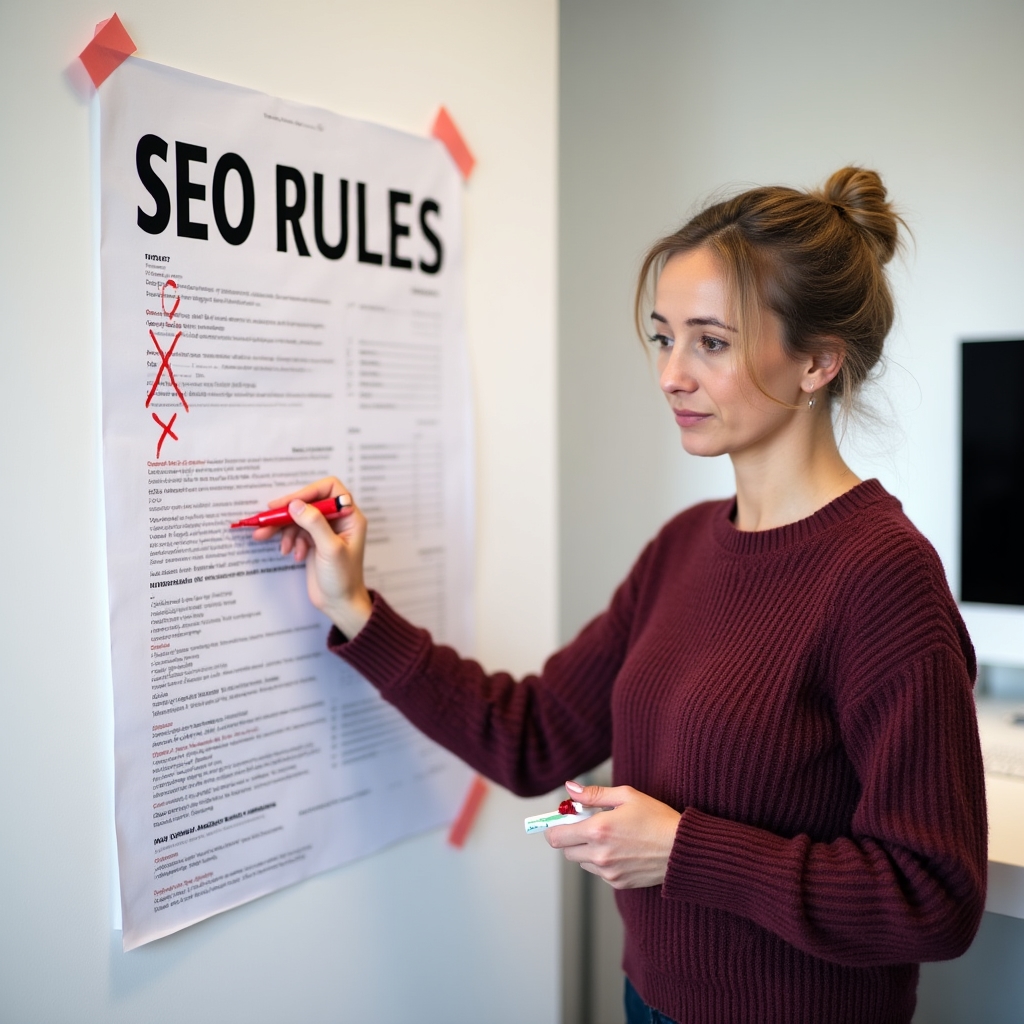
Specific claims that circulate in SEO communities, where they came from, and what actually happens when you test them.
Read post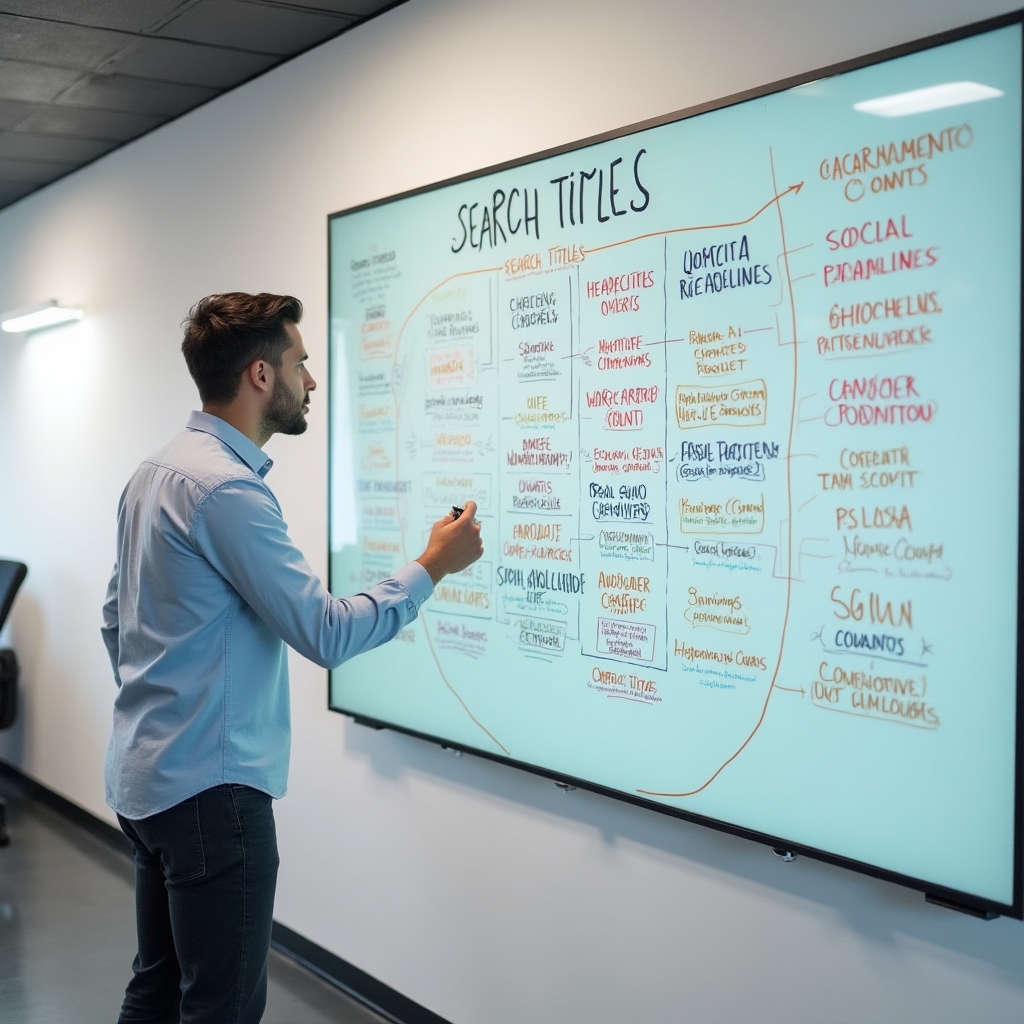
All topics organized by category. Find what you need without reading in order.
Browse topics